HIVE6™
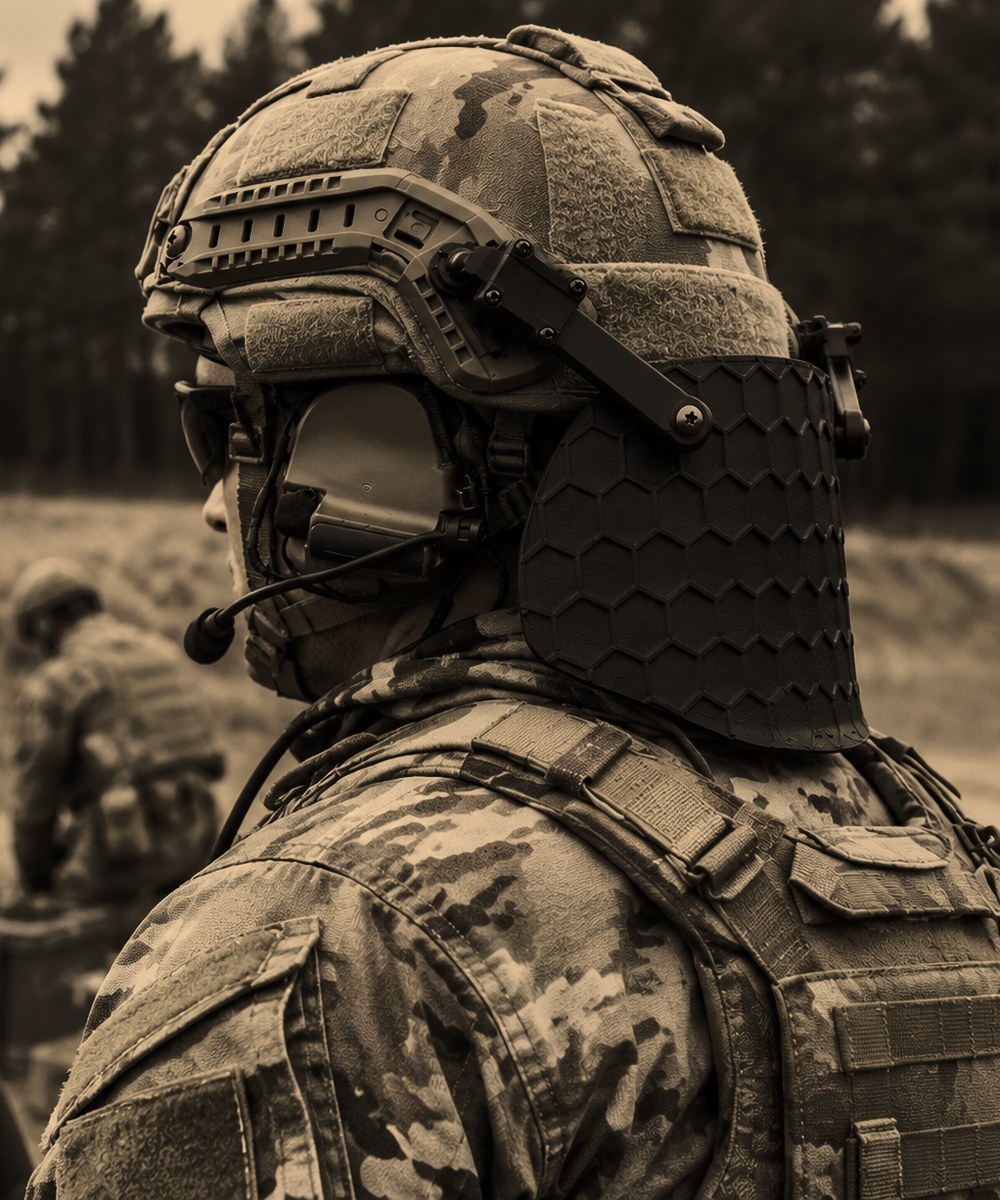
Addressing the environment.A passive blast-mitigation technology engineered to disrupt and modify reflected blast-wave behavior within confined and complex environments.
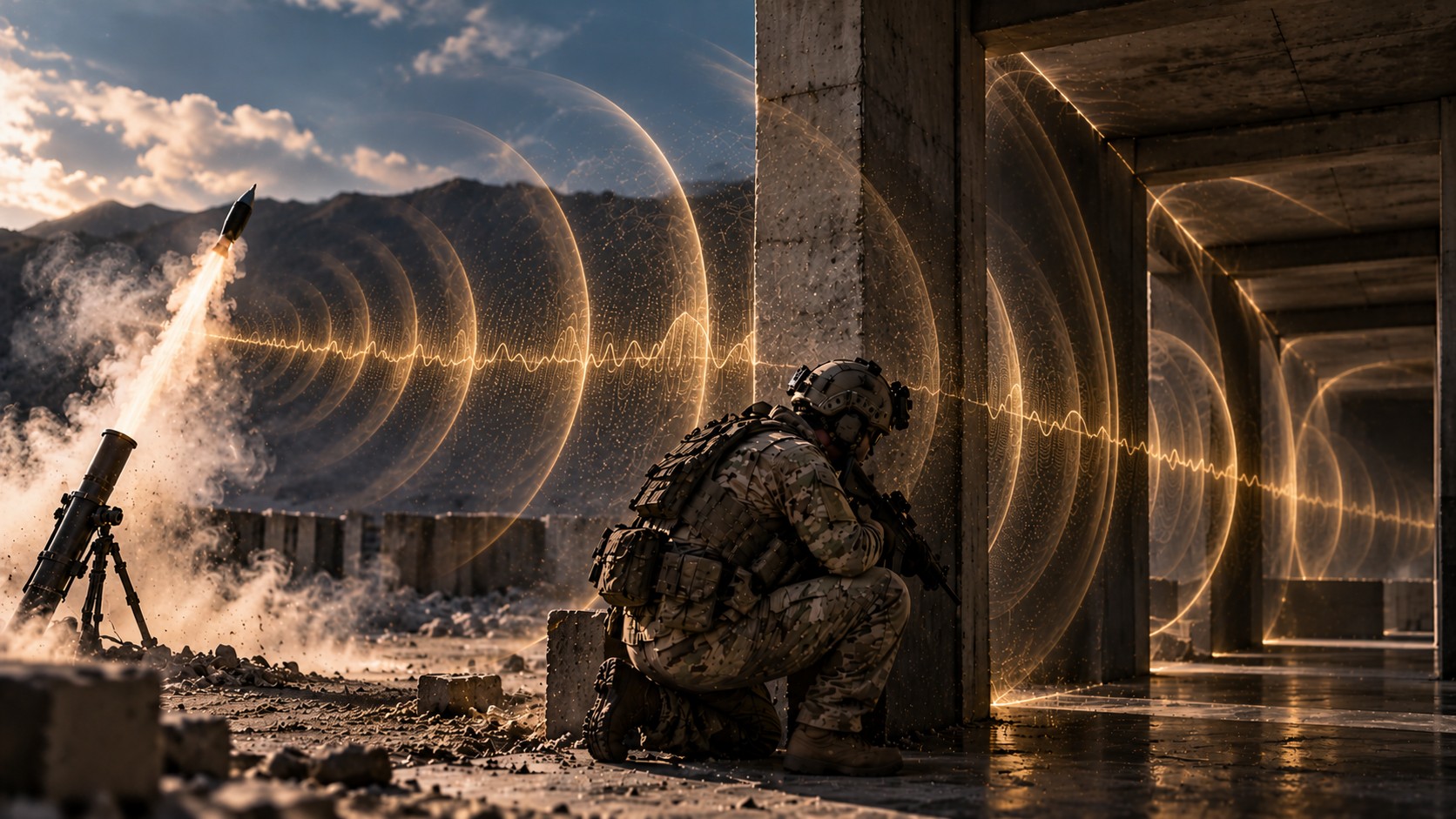
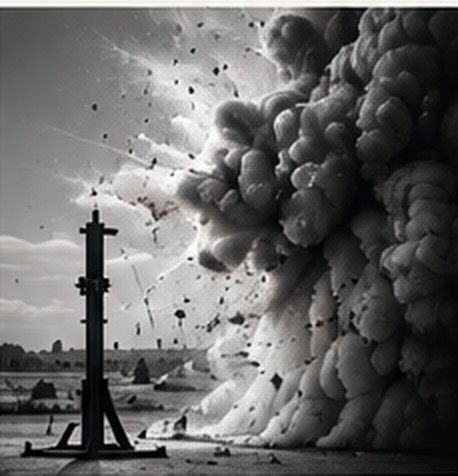
Blast waves do not exist in isolation. They propagate through the environment, interact with structures and equipment, reflect from surrounding surfaces, and create complex pressure conditions around the warfighter. Exposure can vary based on proximity, orientation, position, environmental geometry, confinement, reflection, impulse, and repeated events.
Repeated occupational exposure adds another dimension. Research continues to investigate the relationship between cumulative blast exposure and neurological, auditory, cognitive, and physiological effects.
At the same time, the Department of War is increasingly focused on understanding, monitoring, documenting, and mitigating blast exposure across training and operational environments.
OverPressured approaches blast as a system.
From the surrounding environment to the individual warfighter, we develop engineering solutions designed to reduce exposure where intervention can make a difference.
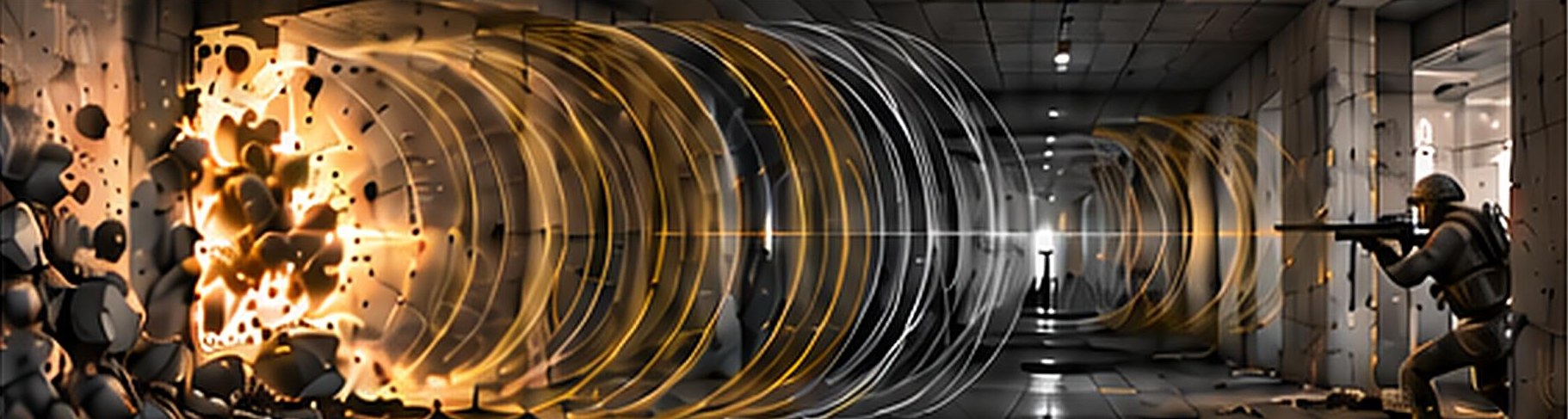
The blast pathway creates multiple opportunities for intervention. Instead of attempting to solve the entire problem with a single technology, OverPressured develops complementary systems that address exposure at different points along that pathway.
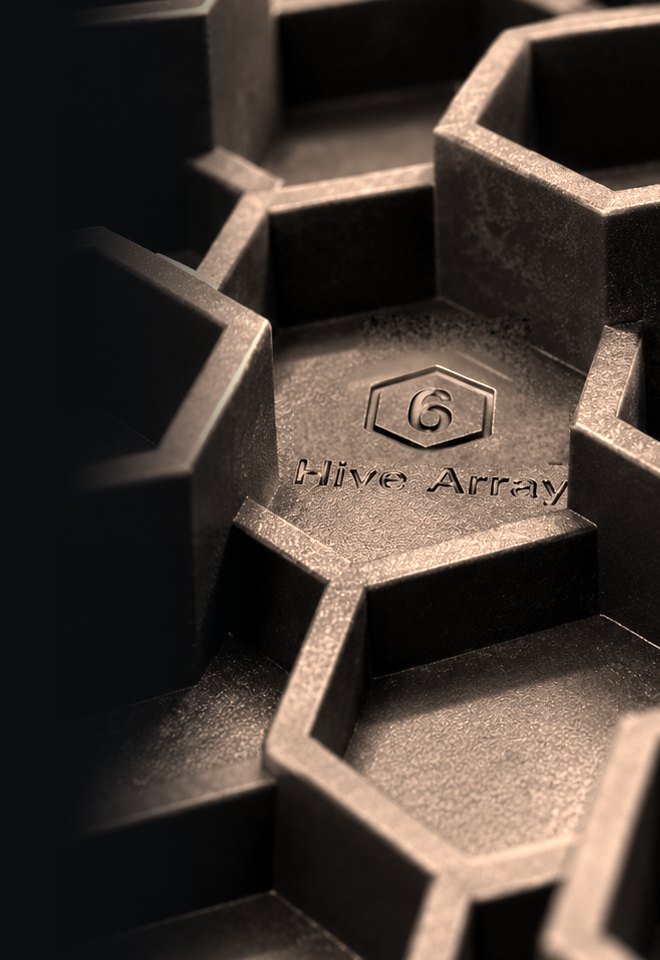
A blast's greatest strength is its waveform. It is also its greatest vulnerability, which is why a hive geometry sits at the core of both HIVE6™ and PELTA-6™.
Research into blast overpressure continues to advance our understanding of acute exposure, repetitive low-level blast, environmental effects, cumulative dose, and potential neurological and physiological consequences. There is still considerable work to be done.
But one thing is increasingly clear: blast exposure is influenced by far more than a single peak-pressure number.
If exposure is influenced by modifiable variables, then technologies, environments, equipment, and operational practices can potentially be engineered to reduce it. That is the space OverPressured is pursuing.
OverPressured combines blast physics, engineering, modeling, field testing, and collaboration across the wider blast research community, defense, academic and international, to develop practical approaches to blast-exposure mitigation.
Blast overpressure is a complex exposure problem. No single helmet component, wall treatment, sensor, operational procedure, or medical intervention addresses every part of that problem.
That is why OverPressured is building beyond a single product. We are developing a novel portfolio of technologies designed to address blast exposure at different points along the pathway, from the environment surrounding the warfighter to the individual themselves.
As the science evolves, that architecture gives us room to develop additional interventions wherever the evidence shows exposure can meaningfully be changed.
Our mission is to get relief to the warfighter now.